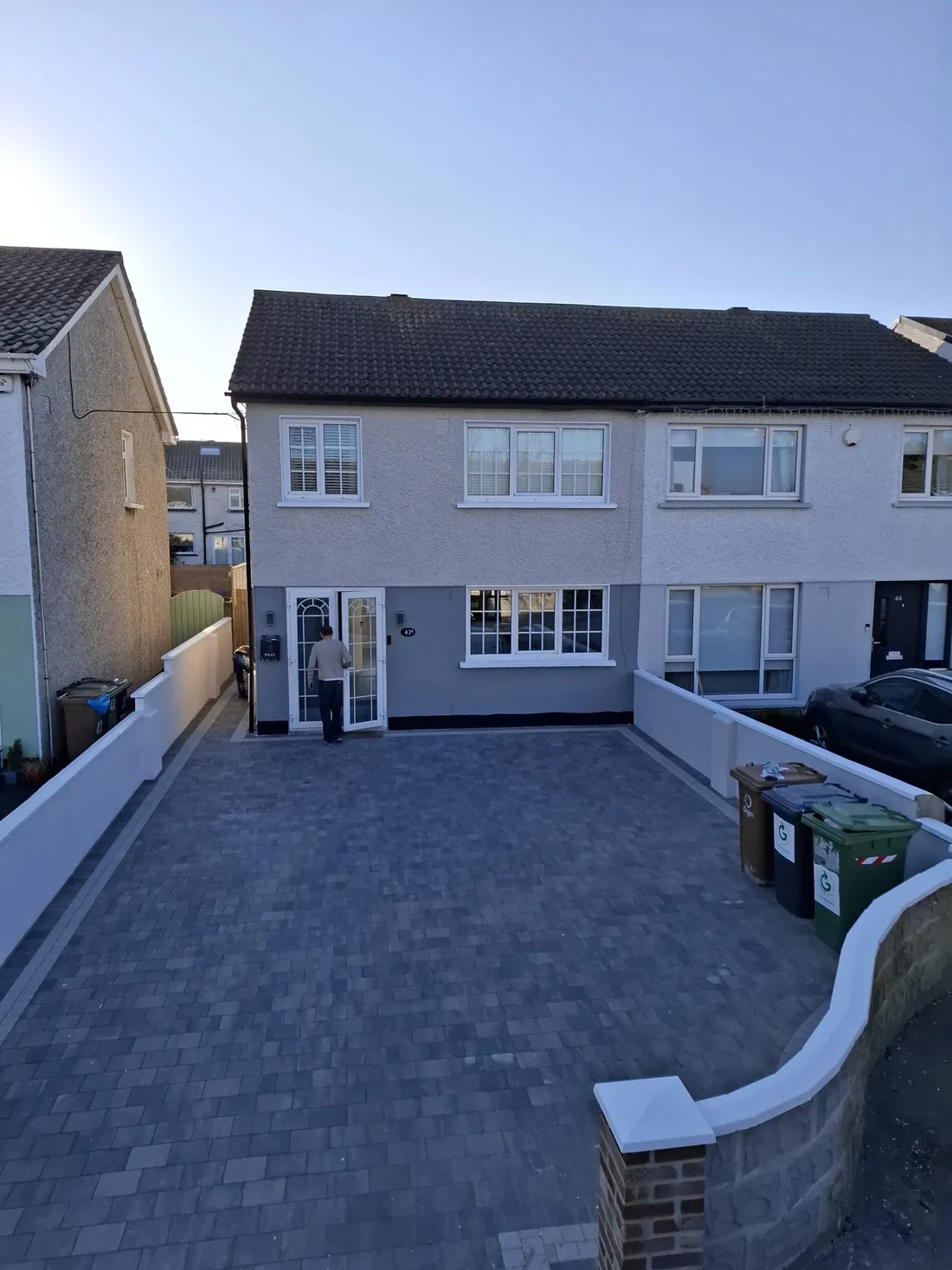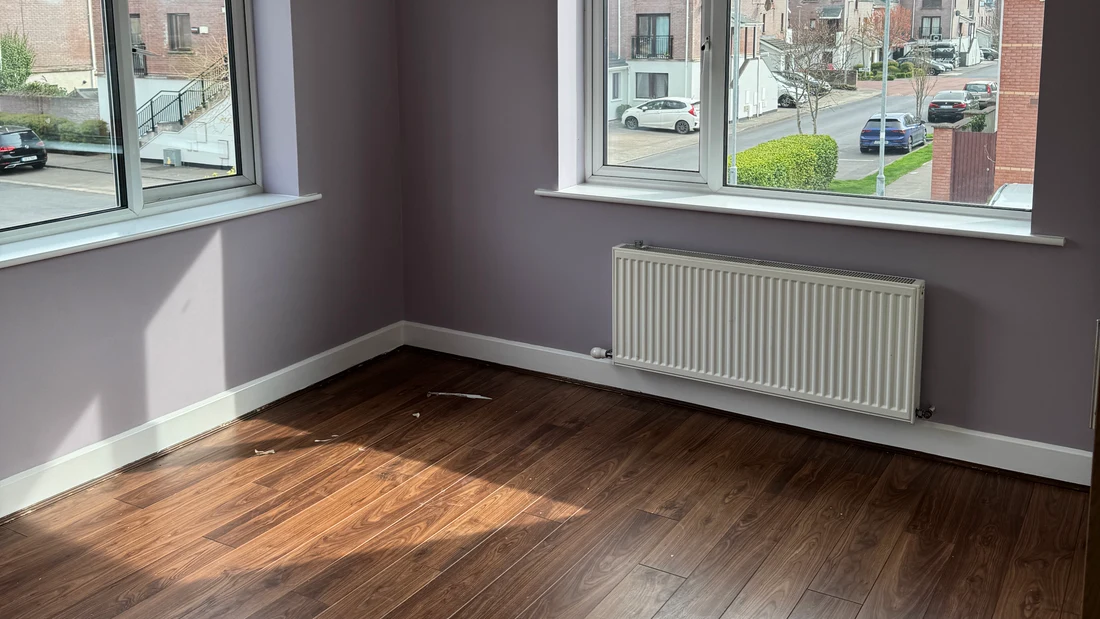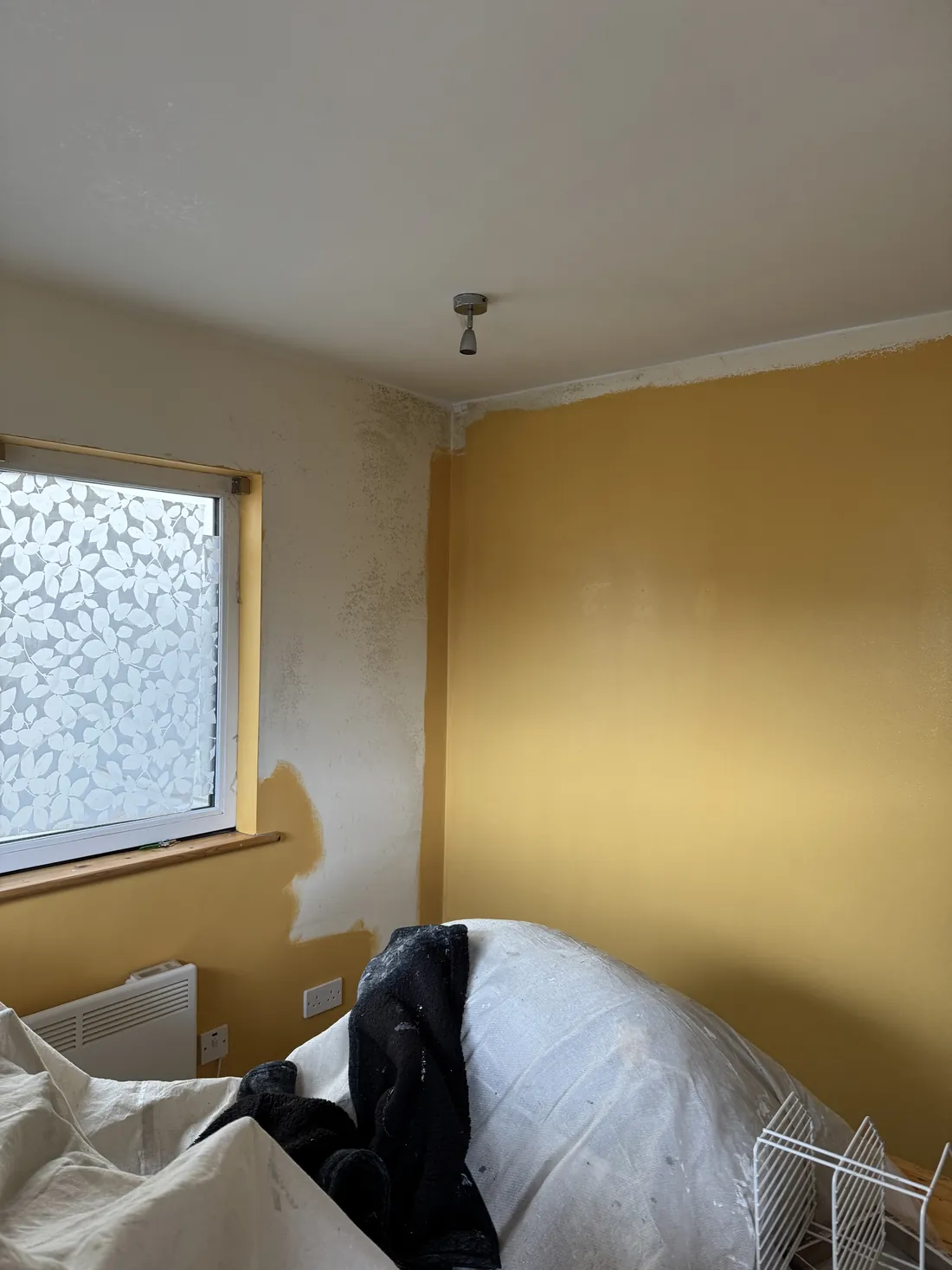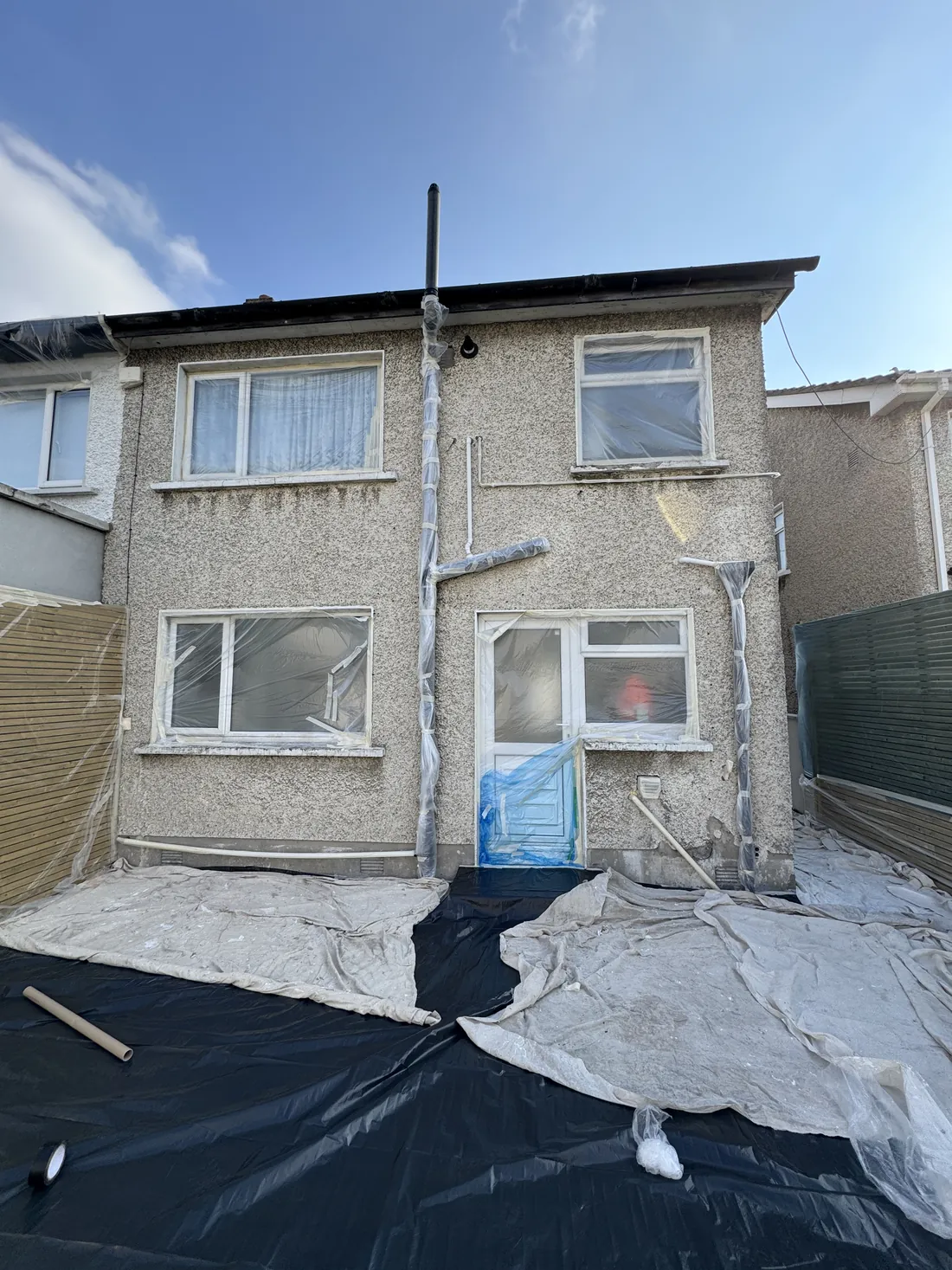
Ask most Dublin homeowners what “home maintenance” means and they’ll picture gutters, boilers and the odd leaky tap. Painting rarely makes the list — yet a fresh, well-applied coat of paint is one of the most powerful maintenance jobs you can do for your property. It is not just a cosmetic finish. Paint is a working barrier that shields timber, plaster and render from Dublin’s damp, wind-driven rain and salty coastal air, and keeping it in good order quietly prevents thousands of euro in future repairs.
At Original Dublin Painter, we’ve spent 20+ years painting homes right across Co. Dublin, and time and again we’re called out to fix problems — swollen skirting, flaking render, mould in a north-facing bedroom — that a timely repaint would have prevented. This guide walks through exactly why painting belongs at the heart of your maintenance routine, what it protects, what it saves you, and how to plan it properly.
Why home maintenance matters
Looking after a home is a continuous job. Every element of the structure, from the roof to the render to the skirting boards, needs periodic attention to stay sound, safe and good-looking. Painting sits squarely inside that routine — it is one of the few maintenance tasks that improves how a home looks and how well it stands up to the weather at the same time.
What regular home maintenance really means
Regular home maintenance is the set of jobs you carry out on a schedule to keep a property in top condition: inspecting, cleaning, repairing and replacing parts of the home so everything keeps working, stays safe and still looks the part. Painting is often written off as a purely decorative “tidy-up”, but it earns its place on the list because of the protection it gives to surfaces inside and out. A sound paint film is the first line of defence between your building materials and the elements.
The cost of neglecting your home
Letting maintenance slide is rarely a one-off cost — small problems compound. When paintwork is ignored, the knock-on effects can be both expensive and, in the case of damp and mould, a genuine health concern. Common consequences include:
- Structural damage — a minor repair left unattended can grow into a serious structural problem.
- Falling property value — a home that visibly hasn’t been looked after loses value over time.
- Health risks — moisture getting past failed paint feeds mould, which can trigger respiratory problems for the people living there.
| Consequence | Likely cause | Prevention |
|---|---|---|
| Structural damage | Water getting in behind peeling or cracked paint | Regular inspection and repainting |
| Falling property value | Faded, tired or dated paint colours | Refreshing the paintwork periodically |
| Health risks | Mould taking hold on damp walls | Using paint with mould-inhibiting properties |
Painting, in other words, is not just about appearances — it protects the structural integrity and the value of your home. Whether you tackle it yourself or bring in a professional for interior painting or exterior painting, keeping your paintwork current is money and effort well spent.
Painting as a critical maintenance task
Of all the jobs on a maintenance list, painting is one of the most overlooked and one of the most valuable. It doesn’t just freshen up a room — it lays down a protective layer that stands between your home and everything the Irish climate throws at it.
The protective role of paint
Think of paint as a coat for your house. Good exterior paint stops timber from rotting, slows the deterioration of render and cladding, and keeps moisture from working its way into the fabric of the building. Inside, paint protects walls, ceilings and woodwork from moisture, staining and fading, so surfaces last far longer than they otherwise would.
| Surface | Protective benefit |
|---|---|
| Exterior walls and render | Shields against wind-driven rain and weather damage |
| Interior walls | Resists moisture and helps prevent mould |
| Timber (skirting, doors, fascia) | Prevents rotting and moisture damage |
| Metal (railings, gates, pipework) | Guards against rust and corrosion |
Many modern paints add further protection on top of this — mould- and mildew-resistant formulations are particularly worth having in a damp maritime climate like Dublin’s, especially in bathrooms, kitchens and north-facing rooms that never quite dry out.
The aesthetic advantages of regular painting
Protection is only half the story. A fresh coat transforms a space — it makes a room look cleaner, brighter and more alive. Repainting on a sensible cycle lets you keep up with colour trends, personalise your rooms and put your own stamp on the place. It’s a big part of curb appeal too: a crisp, well-kept exterior is one of the first things buyers and neighbours notice, which matters enormously if you’re thinking of selling.
Freshly painted surfaces are also simply easier to keep clean, which extends the life of the material underneath. Every time you refresh your paintwork you’re actively investing in the longevity of the home. Whether it’s a whole-house refresh, a single feature wall, or specialist work like kitchen cabinet painting, regular painting is a genuine investment in the upkeep and value of the property — not just a decorative afterthought.
The economic benefits of painting your home
Painting keeps a property looking its best, but its real financial value runs deeper than appearances. It is one of the most cost-effective ways to lift what a home is worth while also saving you serious money on repairs down the line.
Boosting your property value
A fresh coat of paint, inside or out, sharpens curb appeal and makes a home far more appealing to potential buyers or tenants. That visual lift translates directly into a higher perceived value, and few maintenance jobs deliver as much return for the outlay. The figures below are a general guide to the cost of a professional job against the value it can add — treat them as indicative, since every Dublin home is different.
| Improvement | Typical cost | Return on investment |
|---|---|---|
| Interior painting | €1,000 – €3,000 | Up to 100%+ |
| Exterior painting | €2,500 – €4,000 | Up to 55% |
Interior painting in particular tends to punch above its weight on resale, because it’s a relatively modest spend that visibly transforms every room a buyer walks into.
Long-term cost savings
Spending on quality paint and skilled application isn’t just an upfront cost — it’s a saving in disguise. A properly executed paint job acts as a protective barrier against wear, moisture and the weather, and heading off that damage is far cheaper than repairing it after the fact. The table below shows the kind of costs you can face when protective paintwork is neglected, versus the modest cost of keeping it maintained.
| Potential damage | Cost without maintenance | Cost with regular painting |
|---|---|---|
| Timber / wood rot repair | €1,000 – €3,000 | €0 – €500 |
| Mould removal | €500 – €4,000 | €0 – €500 |
| Render or cladding replacement | €5,000 – €14,000 | €2,000 – €7,000 |
The pattern is clear: the initial cost of painting is dwarfed by the repair bills it prevents. A few hundred euro spent keeping paintwork sound today can save you thousands in structural work later. Painting isn’t just aesthetics — it’s a sound economic strategy for maintaining a home, and homeowners who treat it that way tend to get the most from professional painters who make sure the job is done right the first time.
Health and safety considerations
Home maintenance isn’t only about how a property looks — it’s about keeping the people inside it healthy and safe. Painting plays a real role here, improving indoor air quality and preventing the kind of structural decay that leads to damp and mould. Built into a regular routine, painting helps create a safer, healthier and more durable home.
Paint and indoor air quality
The paint on your walls can quietly affect the air you breathe. Traditional paints often contain volatile organic compounds (VOCs) — chemicals that evaporate into the room and can cause headaches, dizziness and respiratory irritation, particularly in the weeks after painting. Choosing low-VOC or VOC-free paints is a straightforward way to reduce that risk, and it’s a choice worth making in bedrooms and children’s rooms especially. It’s just as relevant for commercial painting work, where staff and customers spend long hours in the space.
Eco-friendly, low-VOC options improve indoor air quality and sit well with more environmentally conscious standards. It’s always worth asking your painter which products they recommend for a healthier finish.
Preventing rot and decay through painting
Paint is a physical barrier for your building materials, keeping moisture and insect damage away from the timber and plaster that can otherwise rot and decay. That barrier matters most in a climate like ours — Dublin’s high rainfall and humidity mean exposed woodwork and render can deteriorate quickly once the protective coat fails. Keeping paintwork intact prolongs the life of your home’s exterior and heads off costly structural repairs.
| Home issue | Repair cost estimate |
|---|---|
| Timber / wood rot | €1,000 – €3,000 |
| Mould remediation | €500 – €6,000 |
| Damp and woodworm damage | €3,000 – €8,000 |
Maintaining a fresh, sound coat of paint helps you sidestep every one of these. If you’re not sure how often your home needs repainting, a professional painting company can assess the condition of the existing paintwork, the materials your home is built from and the local exposure, then recommend a sensible schedule. Taking a proactive approach protects the property against a whole range of deterioration — and quality paint applied by skilled hands is what makes that protection last.
The professional touch in painting
Painting looks simple, but doing it well — so it protects and lasts, not just covers — takes skill, the right materials and proper preparation. Part of good home maintenance is knowing when a job is worth handing to a professional.
When to hire a professional painter
Whether to bring in a professional comes down to the size of the job, how complex it is and the standard of finish you’re after. Situations where it clearly pays to hire in include:
- Large-scale projects — multiple rooms or big exterior areas get done faster and to a higher standard by an experienced team.
- High ceilings and hard-to-reach areas — stairwells, gable ends and tall Georgian rooms are a safety issue; professionals have the access equipment and know-how to handle them.
- Specialty finishes — faux effects, textures, panelling and feature work need a practised hand.
- Time constraints — if the work needs to be finished quickly, a crew can mobilise and hit tight deadlines.
- Quality assurance — for a genuinely flawless result, professionals make sure surfaces are properly prepared before a drop of paint goes on.
At Original Dublin Painter, every job is fully guaranteed and starts with a free, no-obligation on-site quote — so you know the scope and the price before anything begins.
The expertise a painting contractor brings
A good painting contractor brings years of accumulated know-how to every job. That expertise typically covers:
- Surface assessment — reading the condition of walls and woodwork and working out exactly what prep and repair is needed.
- Material selection — recommending the right paints and products for the surface, the exposure and the finish you want, including eco-friendly options.
- Colour advice — one of the things our customers mention most in our reviews. Good colour guidance improves both the look and the practicality of a scheme.
- Technique — the difference between a patchy DIY job and a smooth, uniform, hard-wearing finish is almost entirely in the application.
- Efficiency — experience means the job gets done swiftly without cutting corners.
- Problem-solving — when something unexpected turns up mid-job (and on older Dublin houses, it often does), a professional knows how to handle it.
It’s this combination — sound assessment, the right products and a properly applied finish — that protects your investment and keeps a property looking its best for years. It’s also why we’re rated 4.9★ from 137 Google reviews, with customers repeatedly calling out how tidy, punctual and professional the team is.
Painting and the Dublin climate
Nothing shapes a home’s maintenance needs more than the weather it lives in, and Dublin’s is a particular case. A mild but persistently damp maritime climate, frequent rain, high humidity and long stretches of grey, low-drying weather all put paintwork under steady pressure. For homes near the coast — Howth, Sutton, Clontarf and out along the bay — there’s the added factor of salt-laden air, which is especially hard on metalwork and unprotected timber. Understanding these local realities is the difference between a paint job that lasts a decade and one that’s flaking within two winters.
Older and period homes
Dublin’s housing stock ranges from Georgian and Victorian terraces to mid-century semis and pebble-dashed estates, and each brings its own quirks. Period homes often have solid, uninsulated walls that are prone to condensation and interstitial damp, so breathable paints and proper preparation matter enormously — trapping moisture behind an impermeable coat causes more harm than good. Original render, lime plaster and old timber sash windows all reward a careful, informed approach rather than a quick over-coat.
Damp, condensation and mould
Because so many Dublin homes battle condensation — particularly in bathrooms, kitchens and north-facing bedrooms that rarely get direct sun — mould-resistant, moisture-tolerant paints are worth their weight. A good repaint here isn’t cosmetic at all: it’s actively managing moisture and protecting the wall behind it. Pairing the right paint with adequate ventilation is the most reliable way to keep mould from coming back. This is exactly the kind of judgement an experienced local painter brings — knowing which products suit a damp Dublin wall and which will simply peel.
Planning your painting project
A good result starts with good planning. Before any paint is opened, it’s worth taking stock of what your home actually needs and what you want to achieve — whether you’re refreshing the interior or protecting the exterior.
Assessing your home’s painting needs
Start with the state of the existing paintwork. Look for chipping, fading, cracking or peeling. Rooms prone to moisture — kitchens and bathrooms — usually need more frequent attention to keep mould and mildew at bay. High-traffic areas like hallways, stairs and children’s rooms take more knocks and may need a more durable finish or the occasional touch-up.
Outside, check for weather damage, sun bleaching and any spots where the paint has broken down and left the material underneath exposed. Pay particular attention to timber (fascia, soffits, window boards), metal (railings, gates) and render, as these are where problems tend to start.
Determining the scope and frequency of painting
The scope of a job depends on the size of your home, the surfaces involved and what you want to achieve. How often you’ll need to repaint depends on the quality of the last job, the type of paint used and how exposed the surface is. As a rough guide, interiors need repainting every 5–7 years and exteriors every 5–10 years, with damp or high-traffic areas coming round more often.
| Area | Typical repainting frequency |
|---|---|
| Interior walls | 5–7 years |
| Exterior render / siding | 5–10 years |
| Kitchen / bathroom | 3–4 years |
| Trim and skirting boards | 2–4 years |
Timing matters too, particularly for exterior work — in Ireland, dry spells in late spring through early autumn give paint the best chance to dry and cure properly, so it’s worth planning outdoor jobs around the weather. If you’d rather have an expert eye on it, a professional can evaluate your home’s needs against the local climate, its condition and the products that will give the best protection and finish.
Building painting into a rolling maintenance plan
Rather than waiting for paintwork to visibly fail, it pays to fold painting into a rolling maintenance schedule alongside your other seasonal jobs — clearing gutters, checking the roof, servicing the boiler. A simple approach is to inspect the exterior once a year, ideally in spring, and note anything that’s starting to flake, crack or blister. Tackle small touch-ups early and you spread the cost, avoid emergency repairs and keep the underlying materials protected the whole way through. Planning ahead also means you can book the work for the right weather window instead of being forced into a rushed job when a problem finally becomes urgent. Over the lifetime of a home, this steady, proactive approach is almost always cheaper and less disruptive than letting things run to failure and paying for the damage as well as the repaint.
The process of professional painting
Professional painting is a systematic process, not just rolling on a new colour. Understanding the workflow helps explain where the value lies and why a properly managed job outlasts a rushed one.
The steps involved
A typical professional painting job runs through a clear sequence:
- Initial consultation and estimate — a meeting to agree the scope, timeline and cost. Ours is free and on-site.
- Colour consultation — choosing the right colours, with guidance from someone who does it every day.
- Surface preparation — cleaning, filling, sanding and priming so the new paint adheres properly and lasts.
- Protecting adjacent surfaces — dust sheets down, furniture and floors covered, fixtures masked off.
- Painting — methodical application, usually in multiple coats for even coverage and a proper finish.
- Inspection and touch-ups — once dry, the work is checked over and any imperfections put right.
- Clean-up — the area is left tidy, with all materials and debris removed.
- Final walk-through — a walk round together to make sure the work meets the standard agreed at the start.
The importance of surface preparation and finish
Preparation is, honestly, the most important part of the whole job — the longevity and appearance of the finish depend on it. Surfaces need to be free of dirt, grease and old flaking paint; holes and cracks filled and sanded smooth; and moisture and structural condition checked so problems like rot don’t reappear under the new coat. Skimp on prep and even the best paint won’t save the result.
The finish matters just as much. It’s not only about how the surface looks but about creating a protective layer that stands up to wear and weather. That includes choosing the right type and sheen — matt, satin or gloss — for each surface and how it’s used. Done properly, professional painting doesn’t just make a home look good; it actively preserves its condition, which is the whole point of painting as maintenance.
Understanding paint selection
Choosing the right paint is one of the more important decisions in maintaining a home. It shapes not only how the finish looks but how well it protects the property and how long it lasts.
Types of paint for home maintenance
Different surfaces and different exposures call for different paints. Here’s how the main types break down:
| Paint type | Finish | Recommended use |
|---|---|---|
| Water-based (latex) | Matt, eggshell, satin, semi-gloss, gloss | Interior walls and ceilings |
| Oil-based (alkyd) | Matt, gloss | Woodwork, moulding, furniture |
| Primer | Flat | Surface preparation before painting |
| Enamel | High-gloss | Doors, window frames, trim |
| Acrylic | Various | Exterior walls, weather-resistant surfaces |
Always match the paint to the surface and the conditions it faces. Acrylics, for instance, suit exterior walls thanks to their weather resistance, while a good primer is what makes a topcoat adhere and last. Opting for low- or zero-VOC products wherever possible improves indoor air quality without sacrificing durability.
Colour selection and its role in maintenance
Colour is more than personal taste — it’s a maintenance decision in its own right. Colours change how a room feels, how big it seems and how much light it holds, affecting both the mood and the practicality of a space.
| Colour type | Effect | Best suited to |
|---|---|---|
| Light colours | Brightening, space-enlarging | Small or dark rooms |
| Dark colours | Cosy, sophisticated | Large or well-lit rooms |
| Neutral colours | Versatile, timeless | Any room |
In maintenance terms, lighter shades may need touching up more often in busy areas, while darker tones hide the odd scuff more forgivingly. Colour also affects saleability — some palettes simply appeal more to buyers — so if you’re painting with resale in mind, it’s worth choosing shades with broad appeal. This is exactly where honest colour advice from an experienced painter pays off, balancing what you love with what protects and sells.
Frequently asked questions
Why is painting an important part of home maintenance?
Paint protects your home’s surfaces from moisture, weather and everyday wear. It also improves how the property looks, increases its value and heads off costly repairs before they start.
How often should I repaint my home?
As a guide, interior walls every 5–7 years and exteriors every 5–10 years. High-traffic areas, damp rooms and homes in exposed coastal spots may need attention more often.
What are the economic benefits of regular painting?
Painting boosts curb appeal, lifts property value and prevents expensive structural damage. A well-kept paint job saves money on future repairs and can improve your resale price.
How does painting help improve indoor air quality?
Choosing low-VOC or VOC-free paints cuts indoor air pollution, reducing the risk of headaches, dizziness and respiratory irritation — especially important in bedrooms and children’s rooms.
Can painting prevent structural damage to my home?
Yes. Paint acts as a protective barrier against moisture and insect damage, helping prevent timber rot, damp and decay before they take hold.
Is it better to hire a professional painter or do it myself?
A professional delivers a higher-quality, longer-lasting finish with proper surface preparation. DIY can be cheaper up front but demands time, effort and skill to get right — and poor prep often costs more later.
What type of paint should I use for home maintenance?
For interiors, water-based (latex) paint is ideal. For exteriors, acrylic offers the best weather resistance. Low-VOC or eco-friendly paints are the healthier choice for indoor air.
How does exterior painting affect home resale value?
A fresh coat of exterior paint sharpens curb appeal and raises perceived value, making the property more attractive to buyers and potentially boosting the sale price.
When is the best time of year to repaint a home?
Late spring through early autumn suits exterior painting best in Ireland, when milder, drier weather lets the paint cure properly. Interior painting can be done all year round.
How can I make my home’s paint job last longer?
Clean surfaces regularly, repair minor chips promptly and touch up areas exposed to sun or moisture. Quality paint and thorough preparation are what make a finish go the distance.
Ready to protect your home?
Painting is one of the smartest, best-value maintenance jobs you can do — it keeps your home looking brilliant while quietly protecting it from Dublin’s weather. Whether you need a room refreshed or the whole exterior sealed against the rain, Original Dublin Painter brings 20+ years’ experience, a fully guaranteed finish and honest colour advice to every job. Get a free quote today and let’s bring your vision brilliantly to life.