Choosing the right painters for a commercial property is one of those decisions that quietly shapes how your business is perceived. Clients, staff and passers-by all read a freshly finished space as a sign of a company that takes pride in the details — and a tired, patchy one sends the opposite message. Getting it right the first time saves money, avoids disruption and protects the fabric of the building itself. This guide walks you through everything you need to weigh up when hiring painters in Dublin, from spotting genuine expertise to budgeting sensibly and keeping the finish looking its best for years.
At Original Dublin Painter, Alex and the team have spent 20+ years decorating homes and commercial premises across the city. We are rated 4.9★ from 137 Google reviews, every job is fully guaranteed, and every quote is free and no-obligation. That experience is exactly why we know what separates a good crew from a forgettable one — and it is what this article is built around.
Why Professional Painting Services Matter
Whether the job is a suite of offices, a retail unit or a large residential block, the value of proper professional painting is hard to overstate. A skilled paint job does far more than freshen up a wall — it transforms a space, signalling care, quality and professionalism to anyone who walks through the door.
The Real Impact of a Quality Paint Job
The difference a quality finish makes reaches well below the surface. It is not simply a matter of rolling on a coat of colour; it is about delivering a result that lasts, shields the building and looks genuinely appealing. A well-executed job improves the durability of surfaces, stands up to everyday wear and holds its colour and sheen year after year. Cheap shortcuts, by contrast, tend to reveal themselves within months as flaking edges, uneven coverage or fading.
The Value Painters Bring to Commercial Projects
Experienced painters bring a depth of knowledge that pays for itself. They know which product suits which material and which conditions — a warehouse loading bay and a boardroom wall call for very different coatings — so the finish both looks right and holds up to the elements. Proper surface preparation, controlled application and careful finishing all feed into how long the work lasts and how sharp it looks.
Good painters also stay current on colour and finish trends, and can advise on how to make a space feel warmer, brighter or more on-brand. For businesses, well-kept premises leave a lasting impression on customers and reinforce a positive brand image. Bringing in seasoned professionals is a smart investment: they deliver efficiency, craft and a standard of finish that DIY simply cannot match. If your project is office, retail or industrial in nature, our dedicated commercial painting service is built precisely for this kind of work.
In short, professional painting plays a central role in lifting both the look and the longevity of commercial and residential spaces — adding value and a sense of polish to any environment.
Finding the Right Painting Contractor
Selecting a painting contractor is a pivotal call on any commercial project. It shapes not only how the property looks, but its ongoing maintenance costs and long-term value too.
Assessing Your Painting Needs
Before you contact anyone, get clear on what the job actually involves. Think about the scope, the surfaces to be painted and any particular challenges the site throws up. Are there high ceilings that need scaffolding or towers? Is there exterior work exposed to Dublin’s weather? Do any areas need specialist coatings — anti-mould, fire-rated or high-traffic finishes? Understanding the full picture helps you brief contractors accurately and get estimates you can actually compare.
Researching Potential Painters
With your requirements defined, start building a shortlist. Look for contractors with genuine commercial experience and study their previous work to judge their standard. Ask other businesses for recommendations and read independent reviews to sort the reliable from the risky.
A few practical steps to guide your research:
- Draw up a list of local painting contractors with proven commercial experience.
- Visit their websites and look through their project galleries and case studies.
- Read client testimonials and check for any relevant accreditation.
- Consult review sites and local forums for candid, unfiltered opinions.
A strong review profile is one of the clearest signals you will find — our own 4.9★ from 137 reviews reflects years of tidy, punctual, professional work across Dublin.
Evaluating a Painter’s Credentials
A contractor’s credentials tell you a lot about their professionalism and commitment to quality. Check each candidate’s insurance and their standing in the trade, and ask about any memberships or recognitions. Just as importantly, request references from past commercial clients so you can verify the quality of the work and how satisfied those clients were.
| Credential | Why it matters |
|---|---|
| Public liability insurance | Protects you from liability if an accident or damage occurs on site. |
| Proof of experience | Confirms the crew has handled comparable commercial jobs before. |
| Written guarantee | Provides assurance the work will be completed to standard and stood behind. |
| Trade reputation | Suggests adherence to industry standards and consistent workmanship. |
| Client references | Reflects real-world satisfaction and a track record you can check. |
Taking the time to vet each contractor properly puts you in a far stronger position to make an informed decision. Every project we take on is fully guaranteed, and we are happy to point new clients toward examples of similar work we have completed nearby.
Key Qualities of the Best Painters
Identifying top painters means understanding the traits that set them apart. These qualities are what ensure your commercial project gets a finish that both looks great and stands the test of time.
Experience and Expertise
Real expertise is earned over years and reflects a deep understanding of the craft. The best painters have a proven record across a range of commercial projects, know a broad set of techniques and stay abreast of current trends — so even complex or awkward jobs are handled with confidence.
| Aspect | Importance |
|---|---|
| Years in the trade | High |
| Range of completed projects | Extensive |
| Command of techniques | Comprehensive |
| Awareness of current trends | Crucial |
When weighing up painters, look at how long they have been working and how varied their portfolio is — it is usually a reliable guide to whether they can manage your specific job. With 20+ years behind us, we have decorated everything from period townhouses to busy retail units across Co. Dublin and beyond.
Attention to Detail
Attention to detail is often what separates a merely acceptable job from an exceptional one. Painters who excel sweat the small stuff — every corner properly covered, every line sharp and clean, every edge cut in with care.
| Quality-control step | Significance |
|---|---|
| Surface preparation | Essential |
| Paint application | Precise |
| Edging and trimming | Neat |
| Clean-up | Thorough |
These professionals make sure the space is properly prepared before a brush is lifted, and that each stage is carried out with precision. Being tidy and leaving a site cleaner than we found it is one of the things our clients mention most often in their reviews.
Reliability and Professionalism
Professionalism and reliability are the hallmarks of a reputable painter. They turn up when they say they will, respect deadlines and keep you informed as the job progresses.
| Professional trait | Impact |
|---|---|
| Timeliness | Positive |
| Sticking to deadlines | Critical |
| Regular progress updates | Reassuring |
Clients need to trust that the work will be finished on schedule and to the standard agreed. Being punctual and professional is not a bonus for us — it is the baseline, and it is why so much of our work comes through repeat business and referrals.
Customer Service and Communication
Clear communication and genuine customer service underpin every successful project. The best painters listen carefully to what the client wants, offer regular updates and stay open to feedback from start to finish.
| Communication aspect | Importance |
|---|---|
| Active listening | Paramount |
| Regular updates | Necessary |
| Openness to feedback | Vital |
A painter’s willingness to engage and tailor the work to your needs shows a real commitment to getting it right. We are known for honest, straightforward colour advice — helping clients settle on shades and finishes they will still love in five years’ time.
By prioritising these qualities — experience and expertise, attention to detail, reliability and professionalism, and strong communication — you can confidently choose painters who will deliver superior results. Together they ensure not just a beautiful finish, but one built to last.
Planning Your Painting Project
Planning a commercial painting project well takes careful thought across several fronts. The sections below outline the key steps, from defining the work to setting a budget that fits your finances.
Defining the Scope of Work
Before you approach painters, have a clear grasp of the project’s scope. That means identifying the areas to be painted, the finishes required and any specific design ideas or colours you have in mind — as well as the scale of the job and any obstacles that could complicate it.
| Project aspect | Details to consider |
|---|---|
| Area to be painted | Square metres, number of rooms |
| Surfaces | Walls, ceilings, trim, doors |
| Paint type | Primer, finish coat, eco-friendly options |
| Colour scheme | Monochromatic, complementary, thematic |
A precise brief helps every contractor quote on the same basis, so the numbers you get back are genuinely comparable.
Setting a Timeline for Completion
A well-defined timeline is essential to keeping the work efficient and minimising disruption to your operations. Agree a realistic schedule with your contractor up front — one that accounts for every stage, from preparation right through to drying time.
| Phase | Typical duration |
|---|---|
| Preparation | 1–3 days |
| Painting | Varies with scope |
| Drying | 1–2 days per coat |
| Final inspection | 1 day |
Understanding how the whole process fits together makes for a far more accurate timeline — and fewer surprises once work is underway.
Budgeting for Painting Services
Setting a budget is a crucial step. It involves gathering estimates from several contractors and weighing cost against the quality on offer. Factor in every likely expense so you are not caught out mid-project.
| Expense category | What to weigh up |
|---|---|
| Labour | Cost per day or per square metre |
| Materials | Paint, primer and supplies |
| Additional services | Specialist finishes, repairs, minor plastering |
| Contingency | A reserve for unforeseen costs |
The cheapest quote rarely represents the best value once you account for durability and the risk of redoing poor work. Investing in quality up front almost always costs less over the life of the finish. We provide clear, free and no-obligation quotes so you know exactly what is included before committing.
Planning thoroughly — defining the scope, setting a realistic timeline and budgeting with care — is what delivers a smooth process and a high-quality result. Whether you are sprucing up a commercial space or protecting it from the weather, professional painters are central to that transformation.
The Painting Process
The painting stage is where careful planning and skilled execution come together to transform a space. A well-defined approach keeps things efficient and the results consistent. It runs through several key steps, from preparing the workspace to choosing the right products and applying them with the best method for the job.
Preparing the Workspace
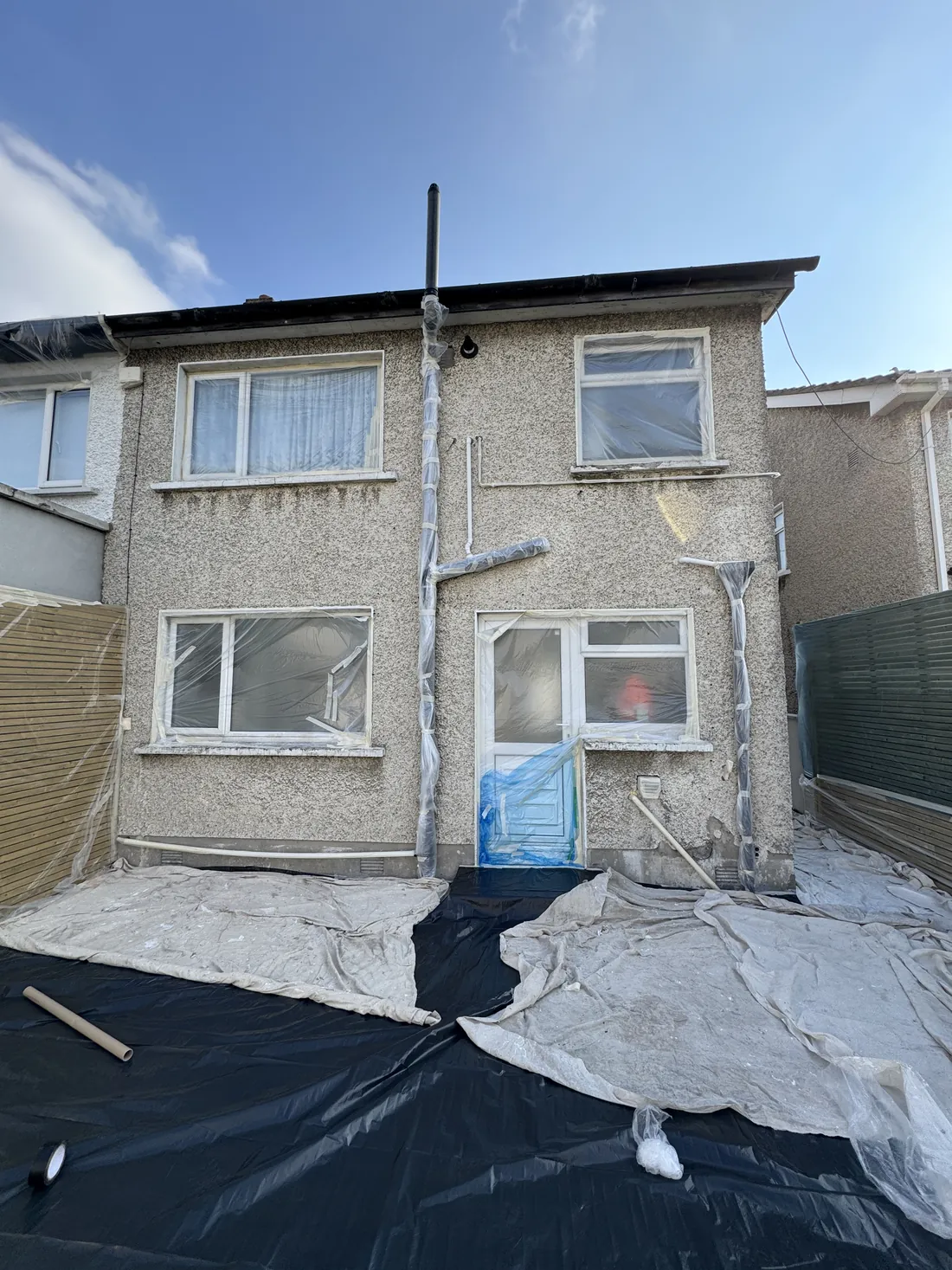
Preparation is the foundation of a professional finish. An experienced crew takes the time to protect furniture, flooring and fixtures before any painting begins. That typically involves:
- Moving or covering furniture and equipment
- Protecting floors with dust sheets or plastic sheeting
- Repairing surface flaws such as holes and cracks
- Cleaning surfaces so the paint adheres properly
- Taping off edges for crisp, sharp lines
Prepared properly, the surrounding areas stay clean and the finished job looks seamless. This groundwork is where a genuinely tidy team shows its worth — you should barely know we were there, apart from the transformed space.
Selecting the Right Paints and Materials
Choosing the correct paint and materials is critical to both durability and appearance. The finish, the quality and its suitability for how the space is used all come into play. Painters generally choose between:
- Water-based (latex) paints, valued for quick drying and easy clean-up
- Oil-based (alkyd) paints, prized for durability and a smooth application
- Specialist paints, for unique finishes or functional properties
| Paint type | Best suited to |
|---|---|
| Water-based | General interior walls and ceilings |
| Oil-based | Trim, mouldings and areas needing a harder finish |
| Specialist | Functional spaces or specific aesthetic requirements |
Product choice varies enormously between a bright office interior and a weather-facing exterior — matching the coating to the surface and its exposure is exactly the kind of judgement experience buys you.
The Painting Methodology
The method of application plays a decisive role in the final result. Professional painters draw on a range of techniques depending on the paint, the surface and the finish required:
- Brush painting for precision and smaller, detailed areas
- Roller painting for efficient coverage across large, flat surfaces
- Spray painting for a uniform, smooth finish on large or intricate surfaces
Each method has its strengths, and the right choice — or the right combination — depends on the job in hand. Skilled painters know instinctively which approach will produce the best outcome. Applied with care, the right method significantly lifts both the look and the value of a commercial space, delivering quality that lasts.
Maintaining Your Commercial Paint Job
A great finish is worth protecting. A little routine care keeps painted surfaces looking sharp and pushes the next repaint further down the road.
Regular Maintenance Tips
To preserve the longevity and appeal of your commercial paint job, keep on top of a few simple habits:
- Routine cleaning: Gently wipe walls with mild soap and water to stop dust and dirt dulling the finish.
- Immediate stain removal: Deal with spills and marks straight away to avoid permanent discolouration.
- Avoid abrasive materials: Use soft cloths or sponges — abrasive tools scratch and damage paint.
- Inspect regularly: Check painted areas periodically for early signs of wear such as cracking, peeling or blistering.
Stick to these and you will maintain the professional look of your space and stretch the interval between repaints.
Addressing Paint Issues and Touch-Ups
Even with the best care, surfaces eventually need touch-ups or repairs. Here is how to tackle the common issues:
| Paint issue | Recommended fix |
|---|---|
| Peeling / cracking | Remove loose paint, prime, then repaint the affected area |
| Fading | Repaint with a UV-resistant paint |
| Mould / mildew | Clean with a mould-killing solution, then repaint with a mould-resistant paint |
For touch-ups, always match the original colour and finish. If the paint has been discontinued or you are unsure of the shade, a professional painter can help you find the closest match. Crucially, resolve the underlying cause before you repaint — if, say, water ingress is lifting the paint, fix the leak first, or the problem will simply return.
Maintaining a commercial paint job comes down to attention and a bit of proactive care. Keep up the routine and address issues promptly, and your premises will keep reflecting the professional image of your business.
FAQ — Everything You Need to Know About Hiring Painters
1. Why hire professional painters instead of doing it myself?
Professional painters deliver a higher-quality finish, better durability and far greater efficiency. Their expertise in surface preparation, colour selection and correct application produces results that last — and avoids the costly rework that so often follows DIY.
2. How do I find the best painters for my commercial project?
Look for painters with real commercial experience, read their online reviews, ask for references and confirm they carry proper public liability insurance. A strong, verifiable track record — like our 4.9★ from 137 reviews — is the clearest signal of reliability.
3. What affects the cost of hiring painters?
Cost depends on project size, paint quality, labour, the amount of surface preparation needed and any extras such as repairs or specialist finishes. A detailed brief lets you compare quotes on a like-for-like basis.
4. How long does a commercial painting project take?
It varies with the scope, the condition of the surfaces, the weather (for exterior work) and drying times. A typical commercial project can run from a few days to several weeks.
5. What paints do painters recommend for commercial buildings?
Painters generally favour durable, low-maintenance products — acrylic latex for interiors and weather-resistant coatings for exteriors — chosen to suit how each surface is used and exposed.
6. Do painters provide colour consultation?
Yes. Many professionals, ourselves included, offer honest colour advice to help you choose shades and finishes that genuinely enhance the space and suit your brand.
7. How do painters prepare a surface before painting?
Surface preparation covers cleaning, sanding, repairing cracks and holes, applying primer and creating a smooth, sound base for the paint to grip.
8. How often should I repaint my commercial space?
It depends on the space and its exposure to wear. Interiors usually need repainting every 5–7 years, while exteriors tend to require touch-ups every 3–5 years.
9. Can painters work outside business hours to avoid disruption?
Yes. Many commercial painters offer flexible scheduling — including evenings and weekends — to keep disruption to your trading to a minimum.
10. How do I maintain a freshly painted surface?
Clean regularly, avoid abrasive materials, deal with stains immediately and carry out periodic inspections. These simple steps keep the finish looking its best and extend its life.
Ready to Get Started?
Choosing the right painters does not have to be complicated. If you want a tidy, punctual, professional crew with 20+ years’ experience and a fully guaranteed finish behind every job, we would be glad to help. We work across Co. Dublin, Kildare, Meath and parts of Wicklow and Louth, and we would love to bring your vision brilliantly to life. Get a free quote today — it is free, no-obligation and there is no pressure to proceed.