Few improvements move the needle on a property’s worth as quickly, or as affordably, as a fresh coat of paint applied properly. Whether you are preparing a Dublin home for sale, tidying up a rental before new tenants arrive, or simply want your house to look its best, professional painting is one of the highest-return jobs you can commission. A well-finished property reads as a well-cared-for property, and that impression shapes what buyers, tenants and valuers are willing to pay.
At Original Dublin Painter, Alex and the team have spent more than 20 years helping homeowners across Dublin lift the look and value of their properties. Rated 4.9★ from 137 Google reviews, our work is fully guaranteed and every quote is free and no-obligation. This guide walks through exactly how a quality paint job adds value, what the figures look like, and how to get the most out of the investment.
The Impact of Professional Painting on Property Value
The Connection Between Aesthetics and Property Worth
How a property looks is one of the biggest factors in what it is worth. A crisp, well-chosen paint scheme lifts the visual appeal of a home or commercial unit, and that appeal feeds directly into perceived value. Freshly painted premises signal that the building has been looked after, which reassures buyers and often supports a higher valuation. This holds true in both the residential and commercial markets in Dublin, because the first impression a property makes is central to how quickly it sells and at what price.
The Numbers: How Professional Painting Increases Property Value
A good paint job is rarely just a cost — it is an investment that tends to pay for itself. Properties with recent, high-quality decoration consistently sell for more than comparable homes with tired or peeling paintwork. The figures below are illustrative, but they show the kind of return a professional job can generate.
| Improvement | Average Cost | Value Increase | Cost Recouped |
|---|---|---|---|
| Interior Painting | €3,000 | €3,500 | 116% |
| Exterior Painting | €5,000 | €7,000 | 140% |
For a homeowner planning a sale, or a commercial owner hoping to attract tenants, the money spent on a skilled painter is not maintenance for its own sake — it is a lever that improves marketability and sale value. Both interior painting and exterior painting contribute to that uplift, and understanding where the returns come from helps you plan a renovation that actually pays off.
What Professional Painting Services Offer
A professional painter brings far more than the ability to load a roller. The value lies in expertise, consistent workmanship and an eye for detail — the three things that separate a finish that lasts from one that starts flaking within a year.
Expertise and Experience
Experienced painters understand paint products, application methods and current colour trends, and they use that knowledge to recommend the right approach for your specific walls and surfaces. They know which primer suits bare plaster, which paint copes with a north-facing exterior wall in the Irish climate, and how to build up coats for an even, durable result. That judgement is hard to replicate with a weekend DIY effort, and it is exactly what 20+ years on Dublin properties teaches you.
Quality of Workmanship
The quality of the work shows in how long it lasts. A professional finish is committed to holding up over years, not weeks. Careful technique means even coverage without the drips, streaks and patchy texture that give amateur jobs away. Straight lines, clean edges and consistent sheen are the hallmarks of a paint job done properly the first time.
Attention to Detail
Attention to detail is what turns an adequate result into an excellent one. That covers everything from protecting your furniture and floors before a brush is lifted, to precise cutting-in around skirting, architraves and ceilings, to a thorough clean-up once the job is finished. The small things — paint consistency, smooth surfaces, straight lines and tidy corners — add up to a finish that feels considered rather than rushed. A tidy, respectful crew is one of the things our customers mention most often in their reviews.
Professional Painting for Exteriors: Enhancing Kerb Appeal
First Impressions: The Power of Kerb Appeal
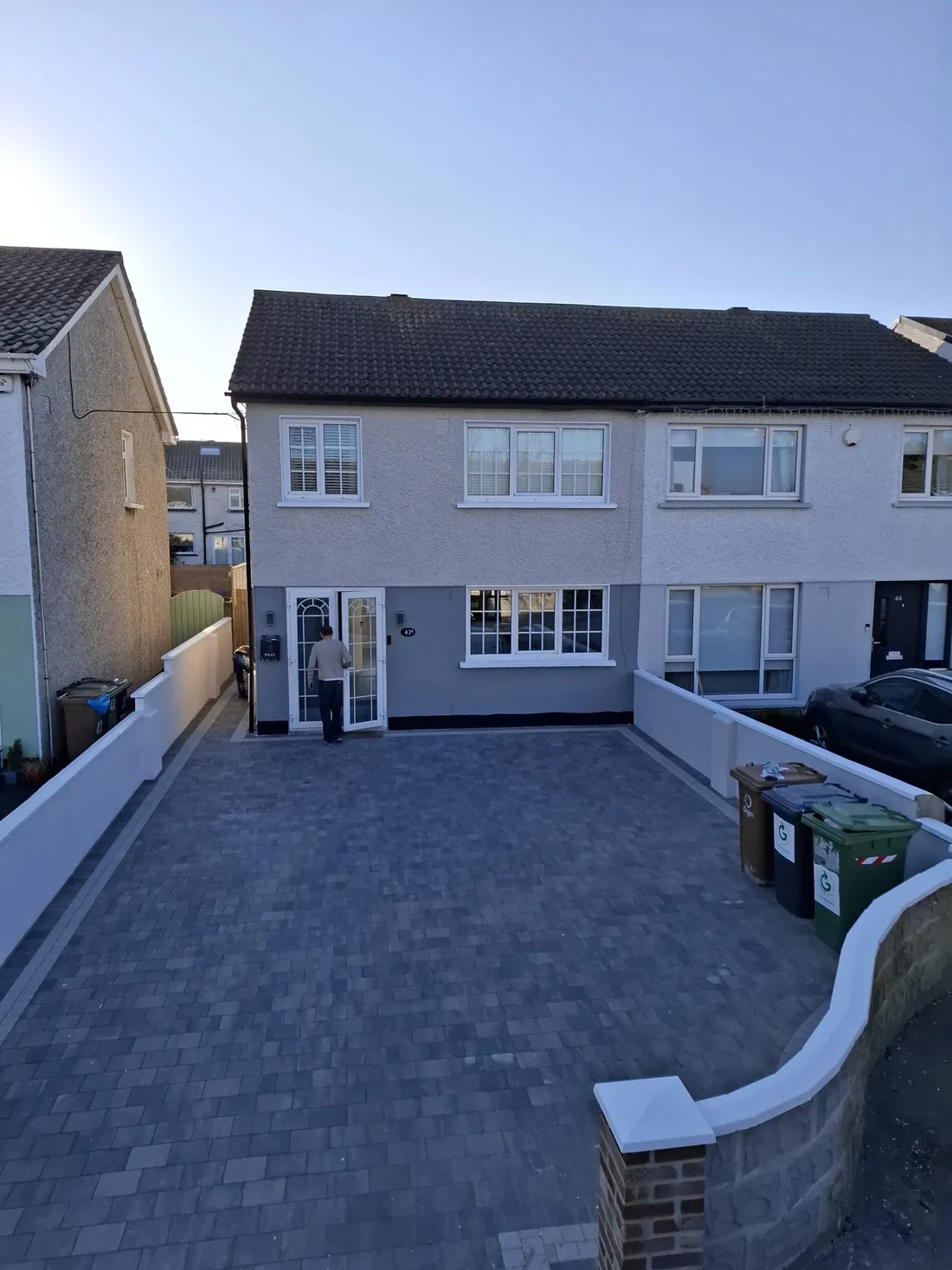
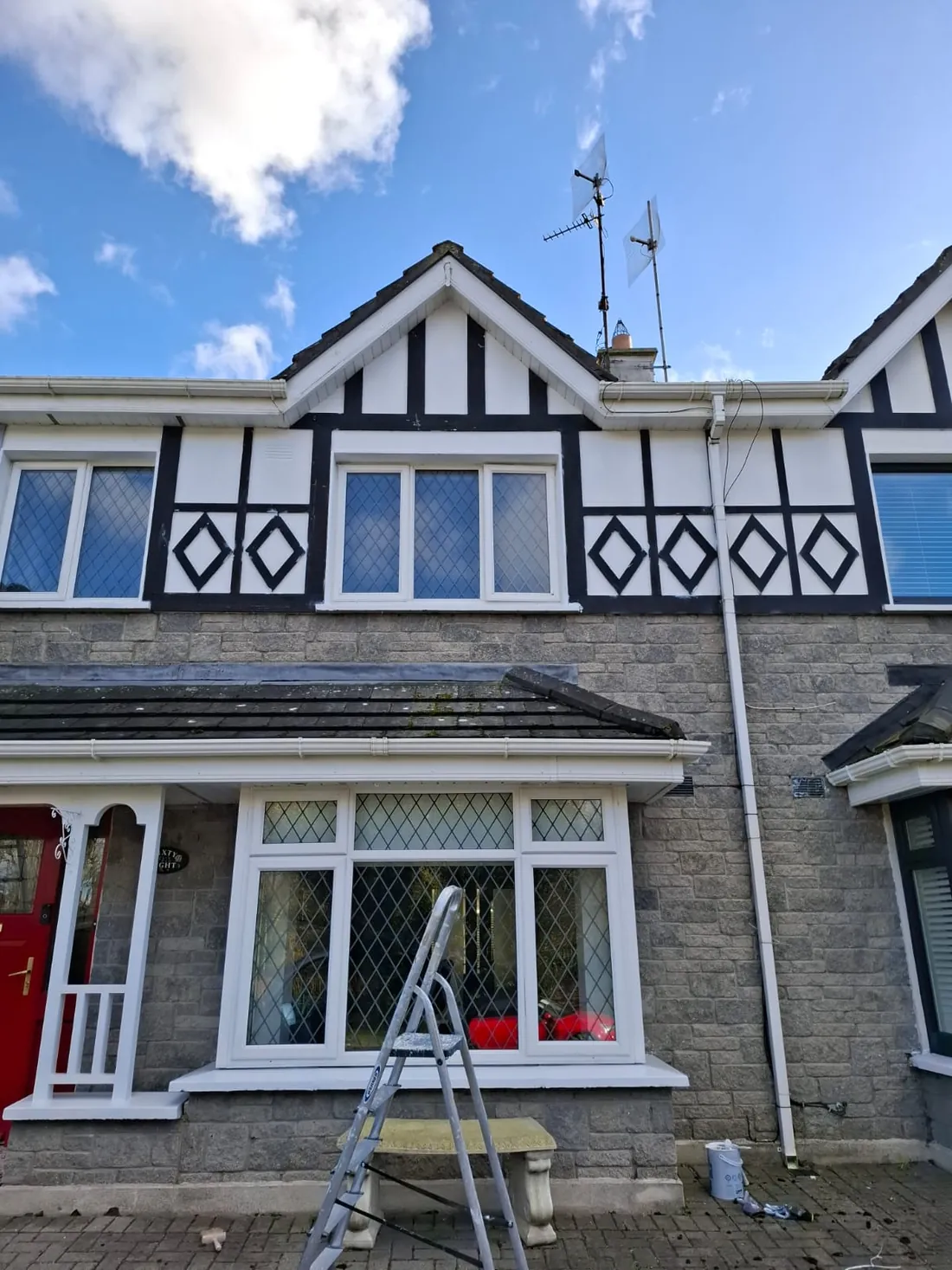
Kerb appeal is how attractive a property looks from the road, and it sets the tone for everything that follows. A clean, well-painted exterior tells passers-by and prospective buyers that the home has been maintained, before they have set foot inside. On a terrace in Rathmines or a semi-detached in Howth, a smart exterior helps a property stand out from its neighbours and can nudge offers upward. For anyone weighing up how to add value before a sale, the front of the house is where the money works hardest.
Materials and Techniques for Exterior Durability
An exterior paint job only holds its value if it lasts, and longevity comes down to the materials and the preparation. Quality exterior paints are formulated to shrug off UV, rain and the damp Irish winters, resisting the fading, peeling and cracking that plague cheaper products.
| Material | Durability | Weather Resistance |
|---|---|---|
| Premium Acrylic Latex | High | Excellent |
| Elastomeric Coatings | Moderate | Good |
| Oil-Based Paints | Low | Fair |
Materials are only half the story. The techniques matter just as much: thorough surface preparation such as power washing and sanding, followed by the right primers and sealants so the topcoat adheres and protects the render or timber underneath. Combining durable products with proper prep is what keeps an exterior looking sharp and well-protected for years rather than months. Businesses looking to refresh a shopfront or premises can apply the same principles through our commercial painting service.
Professional Painting for Interiors: Creating Ambiance
Colour and finish are powerful tools for reshaping how a room feels. Professional painters draw on colour psychology to create interiors that look good and also carry the right mood, whether that is calm, energy or a sense of space.
Colour Psychology and Interior Spaces
Colour psychology is the study of how different shades influence mood and behaviour. Used well, it lets you tailor each room to its purpose. Soft blues and greens tend to feel calming and suit bedrooms and quiet corners, while warmer tones like red and orange bring energy to sociable rooms such as kitchens and living areas.
| Colour | Emotion/Energy | Ideal Room |
|---|---|---|
| Blue | Calming | Bedroom, Bathroom |
| Green | Soothing | Living Room, Study |
| Red | Stimulating | Dining Room, Kitchen |
| Yellow | Cheerful | Kitchen, Bathroom |
| Purple | Luxurious | Bedroom, Lounge |
Applied with a professional’s eye for balance, these colours shape how a room feels day to day and contribute to the comfort and character of the whole home. Good colour advice is another point our customers regularly single out — getting the scheme right is often the difference between a room people like and a room people love.
The Effect of Interior Paint on Room Perception
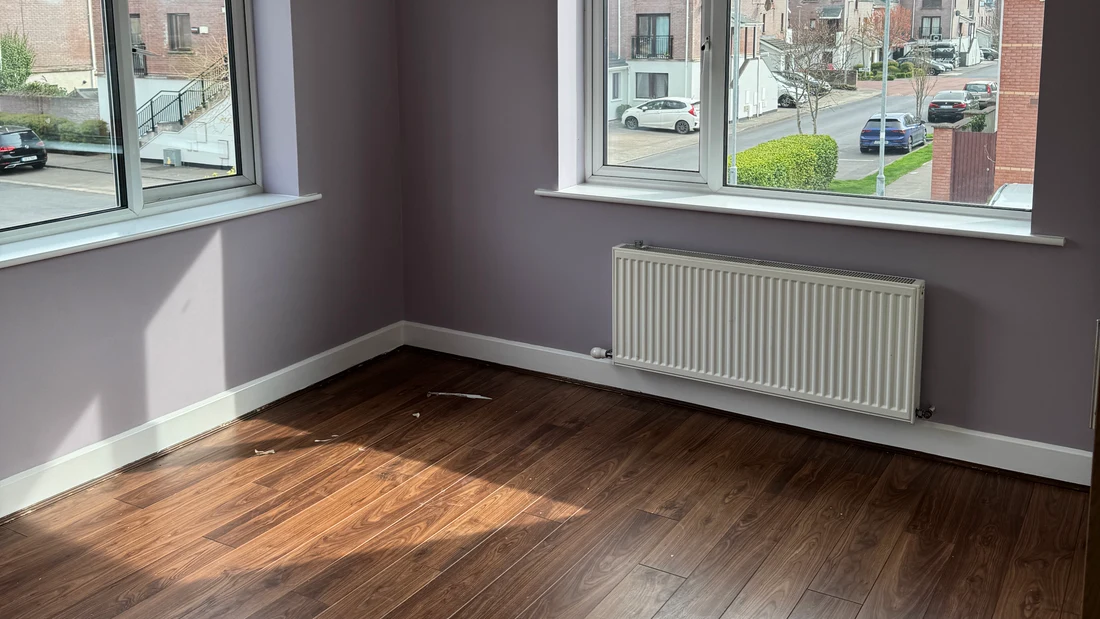
Paint does more than add colour — it changes how big a space feels. Lighter shades open a room up and make it feel airier, while darker tones create warmth and intimacy. A professional knows how to use this deliberately: a ceiling painted lighter than the walls draws the eye upward and adds a sense of height, whereas a darker ceiling brings a lofty room down to a cosier scale.
Finish plays its part too. Gloss and satin finishes bounce light around and add life to a space, while matt finishes hide small imperfections and give a softer, more refined look. Matching the right finish to the right room — durable and wipeable in kitchens and hallways, softer in bedrooms — is part of the craft. The same care applies to smaller feature jobs like kitchen cabinet painting, where a flawless, hard-wearing finish transforms a room at a fraction of the cost of a new kitchen.
The Economic Benefits of Hiring Professional Painters
Painting is usually near the top of any home-improvement list, and while the upfront cost of a professional job is real, the economic case for it is strong.
Cost vs. Value: Analysing the Investment
A professional finish translates skill and experience into a higher-quality result, and that result lifts the property’s value. The return on investment can be significant when it comes time to sell or let. A freshly painted, well-kept property stands out, is perceived as worth more, and tends to attract stronger offers.
| Painting Project | Cost Estimate | Estimated Increase in Property Value | Potential ROI |
|---|---|---|---|
| Interior Painting | €3,000 | €5,000 | 66% |
| Exterior Painting | €5,000 | €7,500 | 50% |
These are ballpark figures — every property is different — but they illustrate why decoration is one of the most cost-effective pre-sale improvements you can make. A free, no-obligation quote is the quickest way to see what the numbers look like for your own home.
Long-Term Savings: Durability and Maintenance
The lifespan of a paint job matters as much as how it looks on day one. Quality materials and proper technique produce a finish that lasts, which saves money on touch-ups and repainting down the line. Getting the preparation and application right the first time extends the life of the work, so you repaint less often — less expense, and far less disruption to your home.
There is an environmental angle too. Durable, well-chosen paints mean fewer coats over the years and less waste overall, so the choice that lasts longest is often the more sustainable one as well. Set against a DIY attempt that may need redoing, the long-term savings on maintenance, combined with the boost to property value, make professional painting a sound financial decision rather than an indulgence.
Preparing for a Professional Painting Job
A successful result starts before the first tin is opened. The two things that make the biggest difference are choosing the right painter and communicating your vision clearly.
Choosing the Right Contractor
A little due diligence up front pays for itself. When comparing painters, look at:
- Reputation — Read reviews and testimonials from previous customers. A strong, consistent track record (like our 4.9★ from 137 reviews) tells you what to expect.
- Experience — Check they have worked on properties similar to yours, whether that is a period home, a new-build or a commercial unit.
- Cover and standards — Make sure the painter is properly insured and stands over their work with a guarantee.
- Quotes — Get detailed quotes so you can compare like for like and understand the scope of the job.
- The agreement — Confirm the timeline, materials and payment arrangements before work begins, so there are no surprises.
Planning and Communicating Your Vision
Getting your ideas across clearly helps the painter deliver what you actually want:
- Inspiration — Share photos or examples of finishes you like, so the style and result are clear from the outset.
- Colour selection — Pick colours that suit the property and your taste; a good painter will happily advise on shades that work in your light and space.
- Detailing — Flag any specific accents, textures or finishes you have in mind for particular rooms or features.
- Communication — Keep the conversation open throughout. Regular check-ins head off misunderstandings before they become problems.
Choose the right painter and set out your vision clearly, and the finished job will reflect your taste while adding to the value of your home.
The Painting Process and Property Protection
Professional painting is a methodical process, not just colour on walls. It is designed to protect your property and everyone in it while delivering a finish that looks great and lasts.
Safety and Property Protection Measures
Before any painting starts, a good crew takes steps to protect your home and work safely:
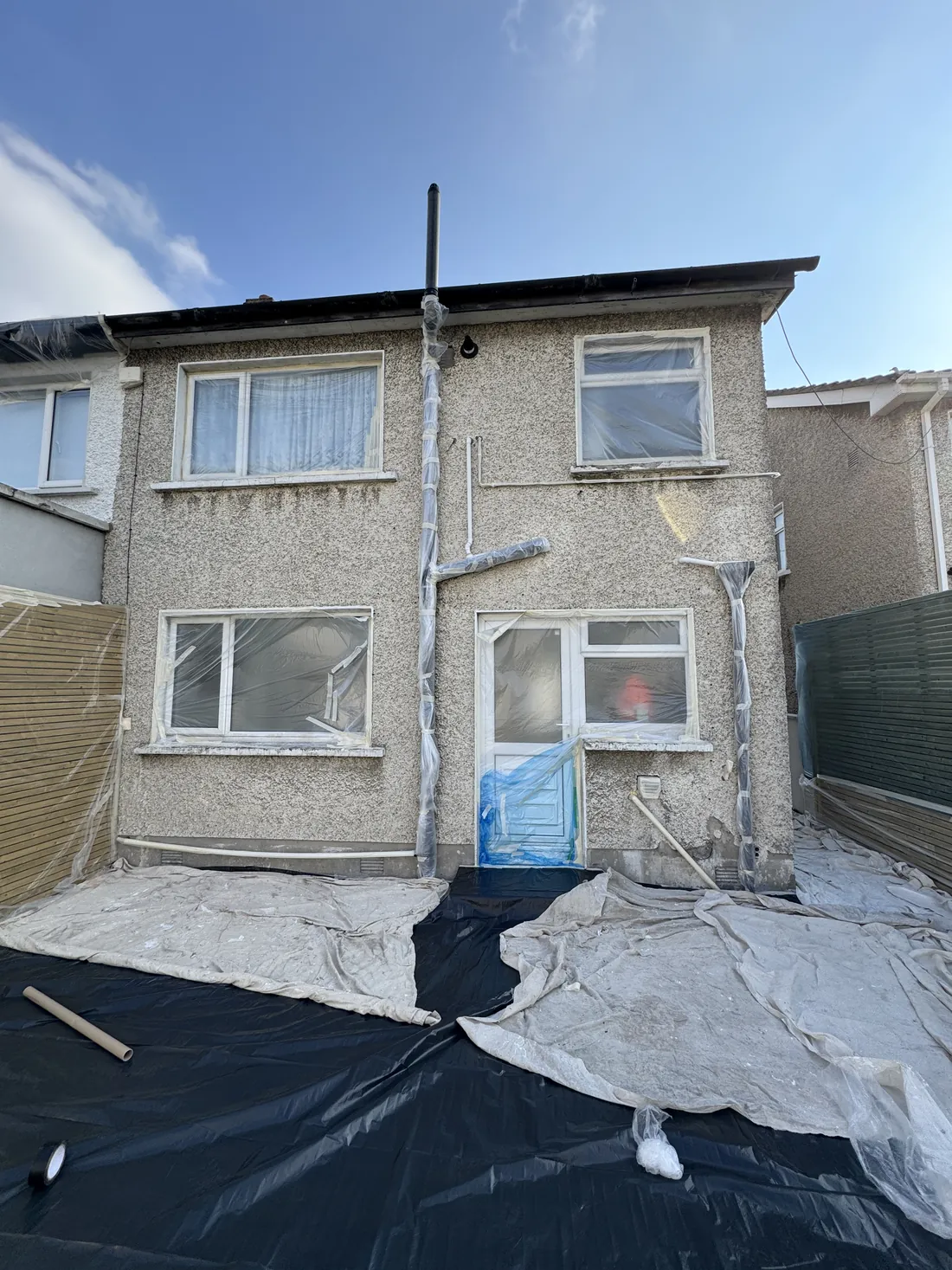
- Furniture and belongings — Movable items are cleared from the area or covered with protective sheeting to keep them free of splatter.
- Fixed installations — Light fittings, door handles and built-in units are removed or carefully masked so paint only lands where it should.
- Floors — Dust sheets or plastic are laid down to shield flooring from drips and spills.
- Air quality — Ventilation is managed to reduce fumes, and low-VOC paints are recommended for indoor work where possible.
- Safety gear — Painters wear the appropriate protective equipment to look after their own health on the job.
- Safe working — Sensible protocols are followed, especially when working at height or with equipment, to prevent accidents.
The Step-by-Step Professional Painting Process
A structured sequence is what delivers a consistent, long-lasting result:
- Inspection and surface preparation — Surfaces are checked for cracks, holes and imperfections, which are then filled, sanded and made ready.
- Priming — A primer is applied for better adhesion and a uniform base for the topcoats.
- First coat — The first coat goes on with the right tools and technique for the surface.
- Drying — The coat is given proper time to dry before work continues.
- Sanding and second coat — Once dry, the surface is lightly sanded if needed to remove any imperfections, then a second coat is applied.
- Clean-up — Masking and protective coverings are removed and the area is left clean and tidy.
- Final inspection — A walkthrough with you confirms everything meets the standard before the job is signed off.
Understanding this process shows the level of care that goes into a professional finish, and it is a useful yardstick when choosing a painter and briefing them on your project.
The Aftermath: Maintenance and Upkeep
Once the painting is done, a little ongoing care keeps the finish looking its best and protects the value it added.
Preserving the Fresh Paint Look
Regular, gentle cleaning keeps paintwork fresh. Interior walls usually need no more than a soft sponge and a mild detergent, while exterior surfaces can take an occasional wash with a hose or a pressure washer on a gentle setting. Deal with any chips or cracks promptly — small touch-ups stop minor damage spreading and are far less noticeable than a large repair, so it is worth keeping a little of the original paint aside for the purpose.
Maintenance Tips After Professional Painting
A few simple habits will prolong the life and appearance of a painted surface:
- Regular inspections — Look over interior and exterior paintwork each season to catch any areas that need attention.
- Immediate repairs — Sort peeling or bubbling paint as soon as you spot it, before it turns into a bigger job.
- A cleaning routine — Wipe interior walls occasionally; give exterior surfaces an annual wash.
- Gentle cleaners — Avoid harsh chemicals that can strip paint or cause discolouration.
- Sun protection — Use blinds or curtains to shield interior paint from fading in direct sunlight.
Kept up over time, maintenance protects both the look and the underlying structure of your home, and it keeps the value that a professional paint job added working for you year after year.
FAQ
1. How does professional painting increase property value?
Professional painting improves kerb appeal, making a property more attractive to buyers. A well-kept exterior and freshly decorated interior signal that the home has been looked after and reduce buyers’ worries about hidden repairs. A quality paint job can support a strong return — figures suggest up to 140% ROI — which makes it one of the most cost-effective ways to boost resale value.
2. Is interior or exterior painting more important for property value?
Both matter. Exterior painting drives first impressions and kerb appeal, helping a home stand out in a competitive market. Interior painting freshens living spaces and makes them feel modern and inviting. Buyers are far more likely to make a strong offer on a home with a well-maintained interior in neutral, stylish colours — so ideally you address both.
3. What is the ROI of hiring professional painters?
Professional painting offers a significant return on investment. Interior painting can recoup up to 116% of its cost, while exterior painting can deliver up to 140% ROI. In other words, the home not only looks better but tends to sell for more, making painting one of the best-value improvements you can make before listing.
4. How often should a property be repainted?
It depends on climate, material quality and wear. Exterior paint typically lasts 5–10 years, though exposed walls in wet Irish weather may need touch-ups sooner. Interior walls usually want repainting every 3–7 years, especially in high-traffic areas like kitchens, hallways and living rooms where scuffs and marks build up.
5. What are the best paint colours to increase property value?
Neutral shades attract the widest range of buyers because they feel clean, modern and versatile. White, beige, grey and soft blues are popular choices that make rooms feel larger and brighter. Bold or highly personalised colours can appeal to some buyers but put others off, so neutral tones are the safer bet when you are painting to sell.
6. Should I hire a professional or do the painting myself?
DIY looks cheaper on paper, but a professional delivers a higher-quality, longer-lasting finish. Professionals choose the right paint, apply even coats and prepare surfaces properly, avoiding the peeling, bubbling and streaking that often follow an amateur job. That durability saves you repainting sooner than you should — and fixing DIY mistakes can end up costing more than doing it right the first time.
7. What factors affect the cost of professional painting?
Several things influence the price of a job:
- Property size — Larger homes need more paint and more labour.
- Paint quality — Better paints cost more but last longer.
- Surface preparation — Sanding, filling and priming add to the labour.
- Labour — Rates reflect experience and how complex the job is.
- Location and access — Awkward access or high walls can affect the cost.
As a rough guide, interior painting often lands around €3,000 and exterior work around €5,000, though these frequently translate into higher resale values that more than justify the spend.
8. How do professional painters prepare surfaces before painting?
Preparation is the foundation of a smooth, durable finish. The key steps are:
- Cleaning — Removing dirt, grease and dust so paint adheres well.
- Sanding — Smoothing rough patches and taking off old, peeling paint.
- Repairing — Filling cracks, holes and dents.
- Priming — Applying a primer to improve coverage and longevity.
Skip these steps and the result suffers, which is why professionals never rush the prep.
9. What type of paint lasts the longest for exterior walls?
For exteriors, durability is everything. The strongest options are:
- Premium acrylic latex — Highly durable, fade-resistant and weatherproof.
- Elastomeric coatings — Excellent for waterproofing and bridging fine cracks.
- Oil-based paints — Hard-wearing on some surfaces but less flexible than acrylic.
Acrylic latex is the go-to for most homes thanks to its resistance to UV, moisture and cracking, giving a long-lasting finish in the Irish climate.
10. Can professional painting help sell a property faster?
Yes. A fresh, professional paint job lifts buyer interest, sharpens first impressions and makes a home look move-in ready. Properties with updated, neutral colours tend to sell faster and for more, because buyers read them as well-maintained. It is one of the most cost-effective ways to improve value and attract more offers in a competitive market.
Ready to add value to your Dublin property?
A professional paint job is one of the smartest, best-value improvements you can make to a home — for living in it now or selling it later. If you would like to know what it would cost and how much value it could add to your property, get a free quote or call Alex on 087 788 5040. Every quote is free, no-obligation and comes on-site, and all our work is fully guaranteed. Your vision, brilliantly brought to life.